

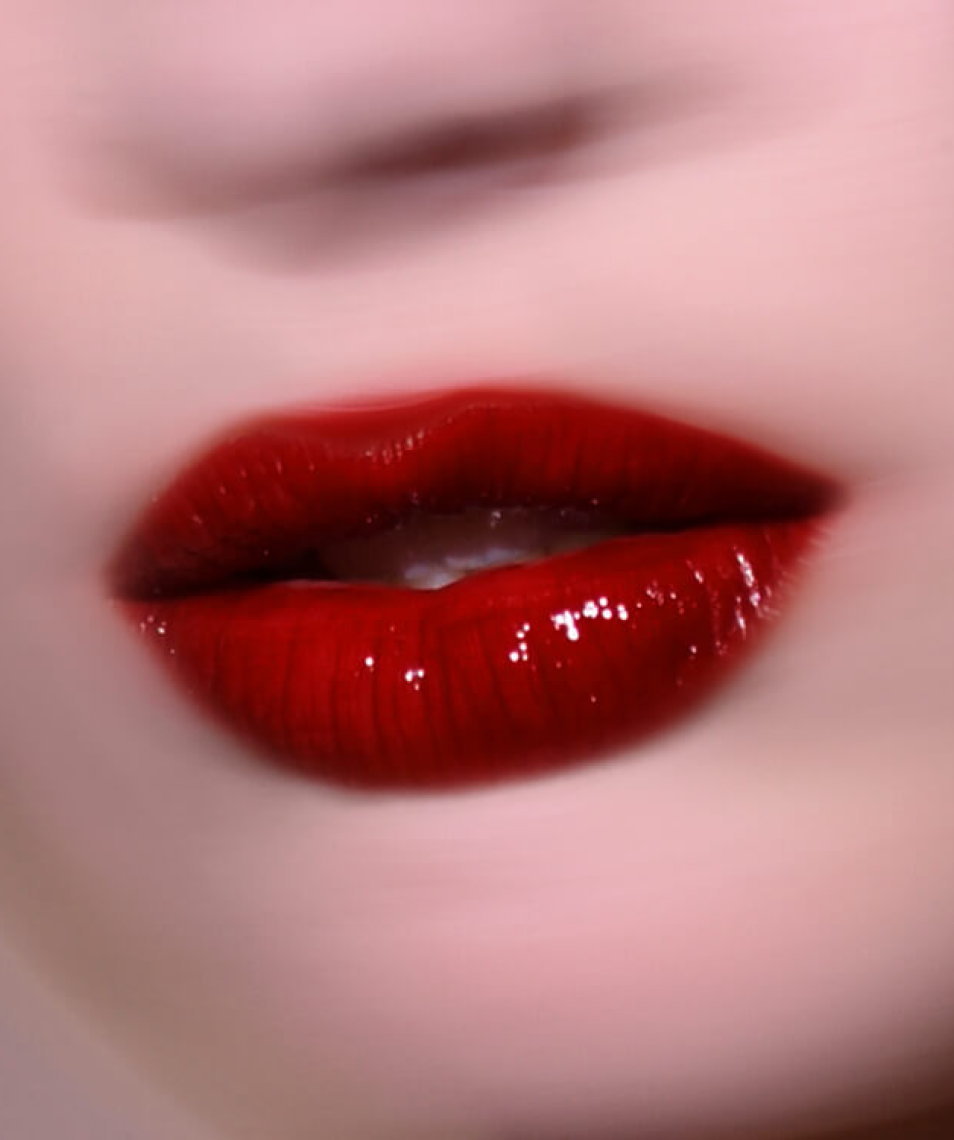
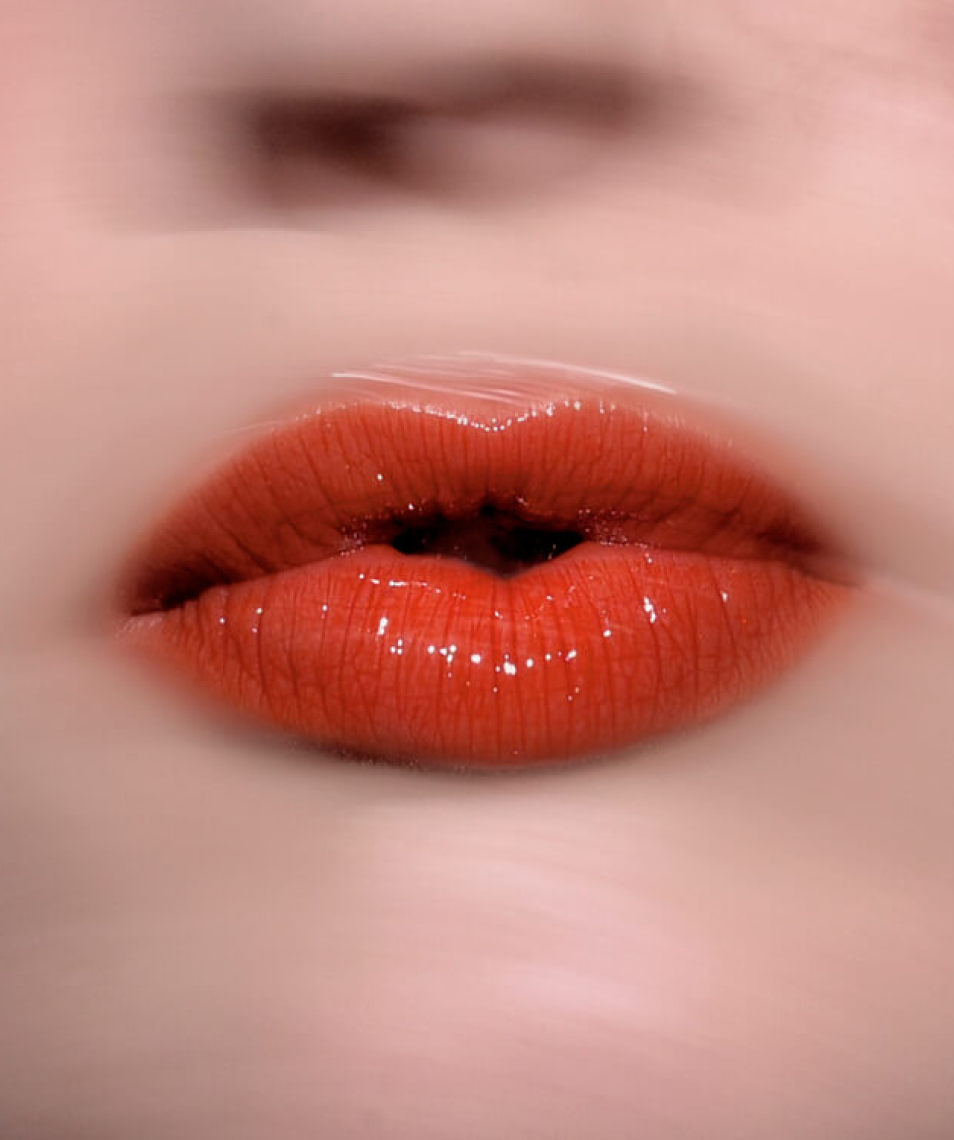
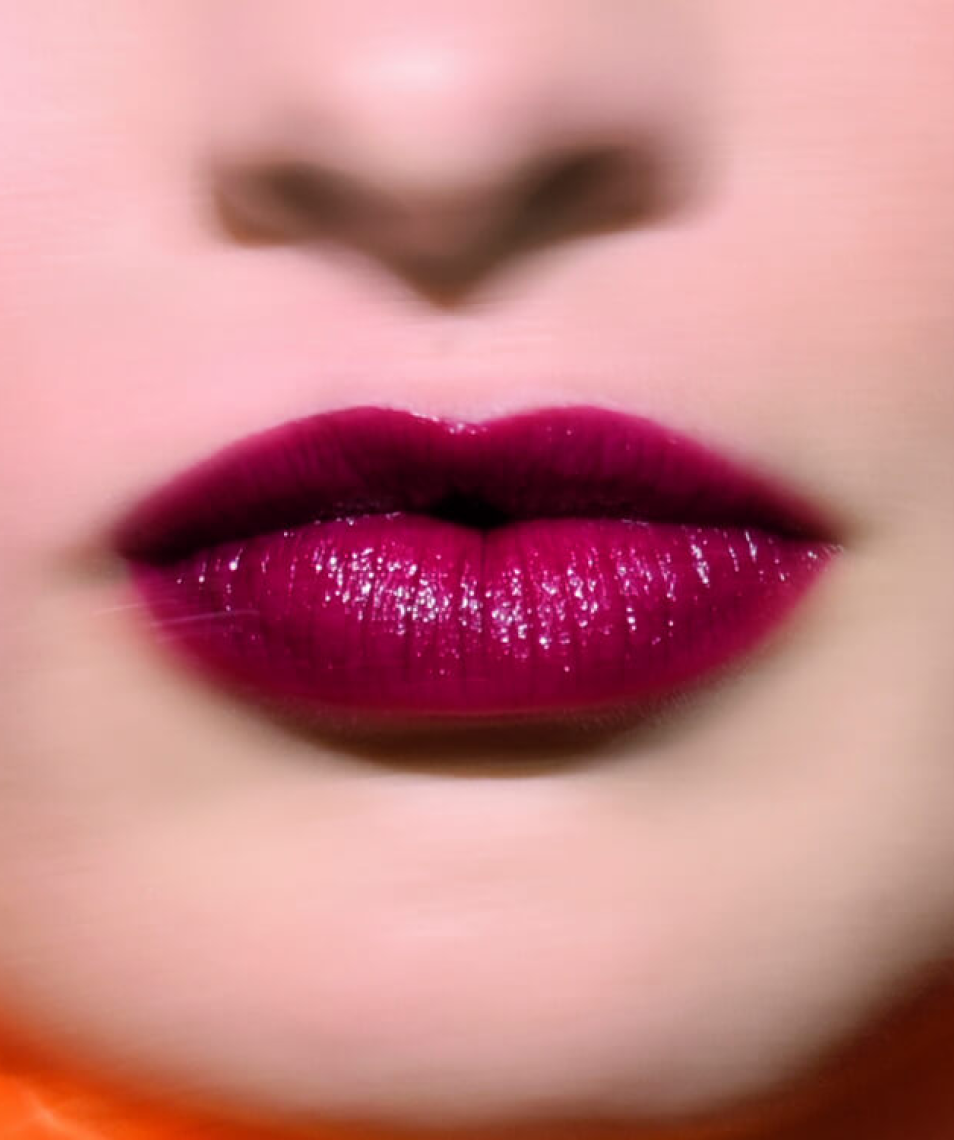

Is doing makeup like cooking?
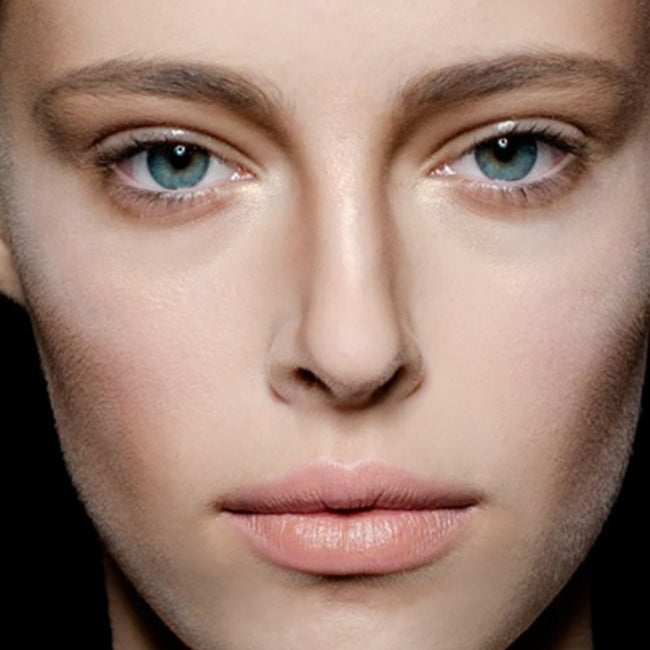
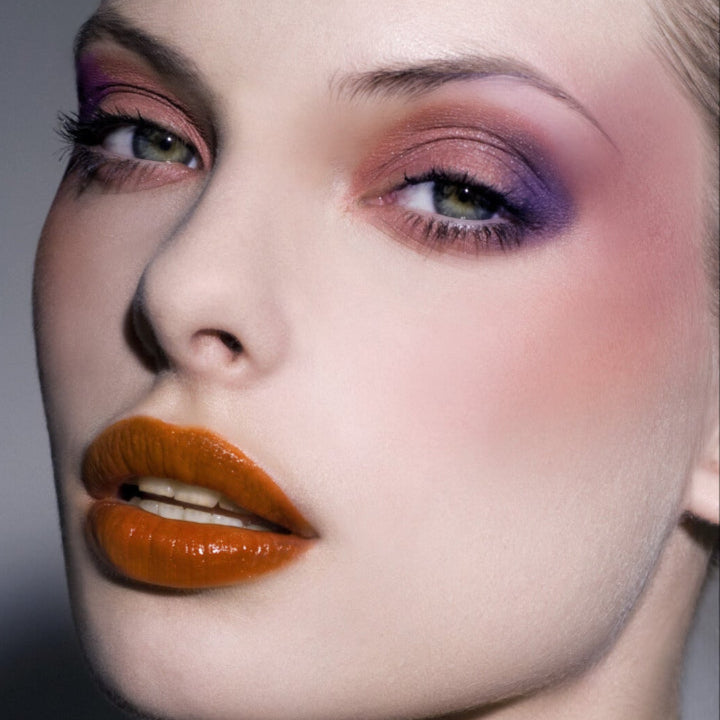
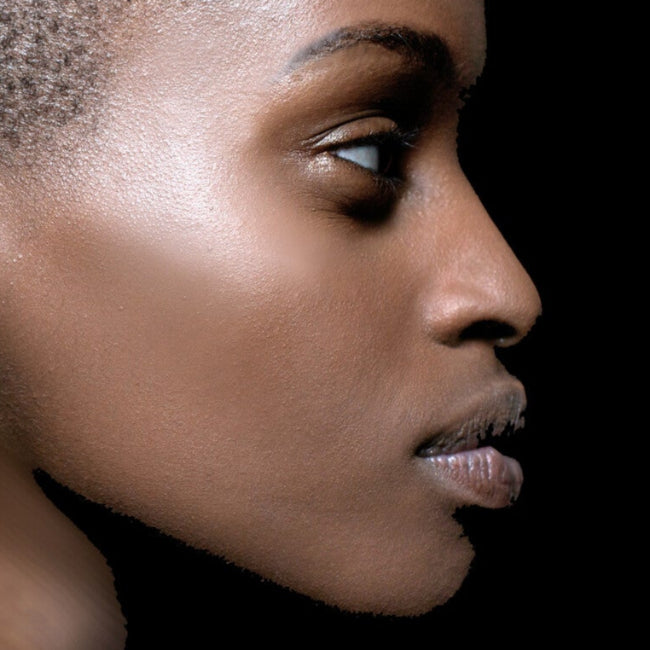
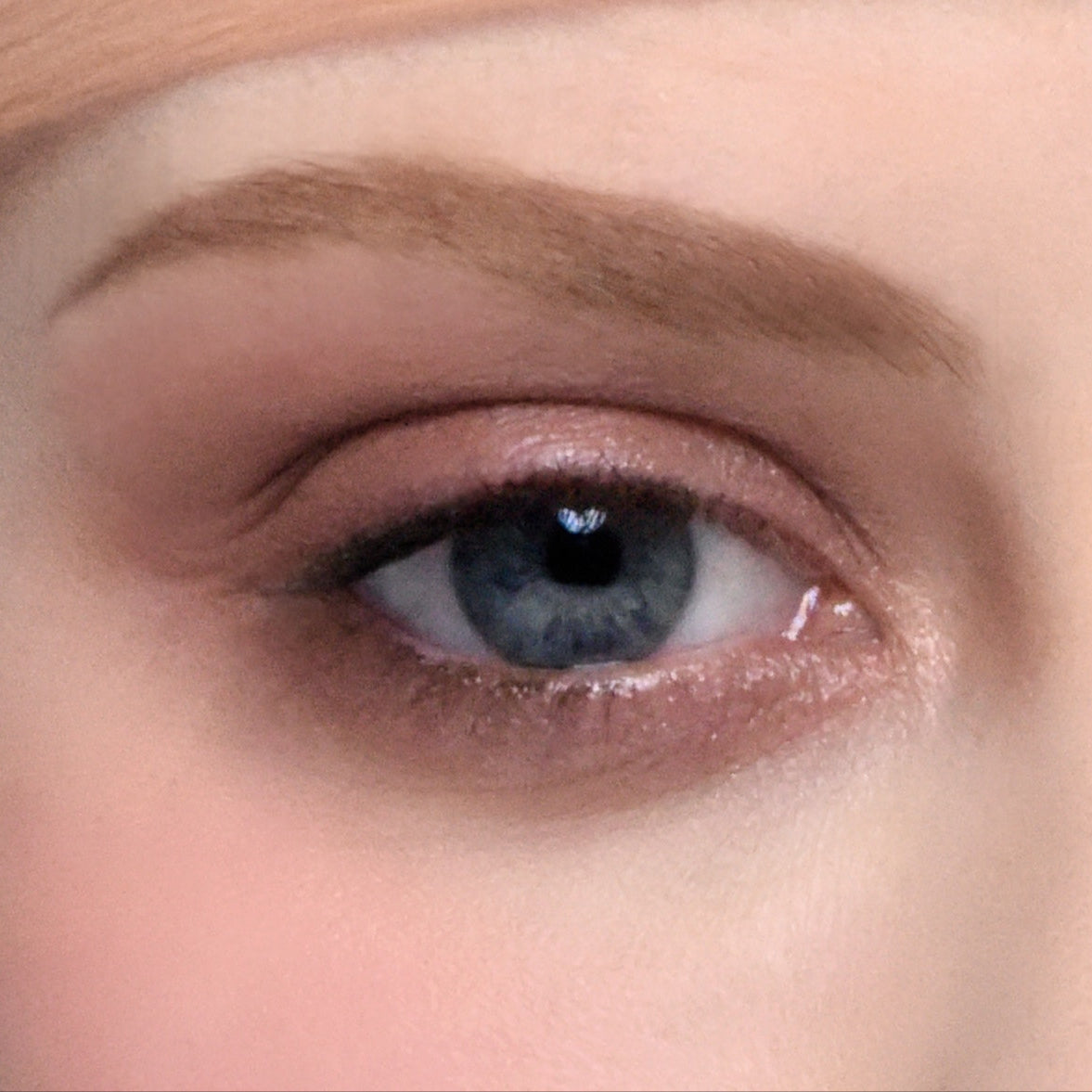
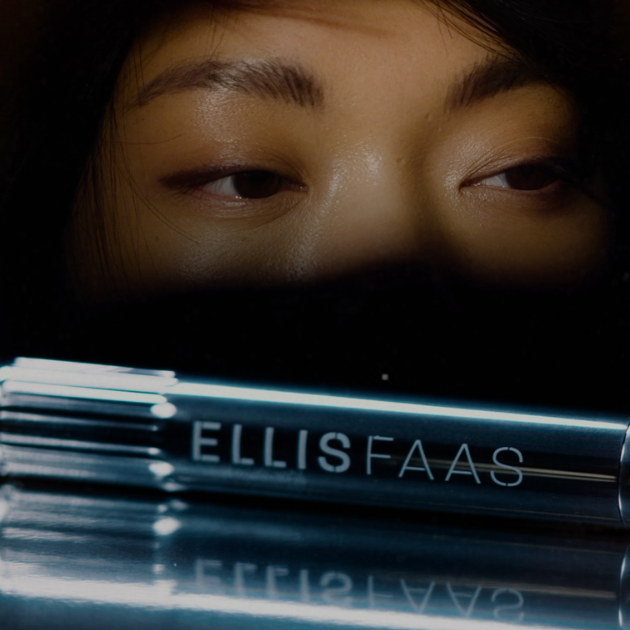
When Ellis studied special effects at the École Christian Chauveau in Paris, her teachers used to say, "Le maquillage, c'est comme faire la cuisine", meaning that makeup is like cooking. You have your colours, your textures, your senses, your experience and intuition to go with the flow. But, are there really parallels? To discuss this, we had a chat with Vanja van der Leeden, chef and author of award-winning and bestselling cookbooks.

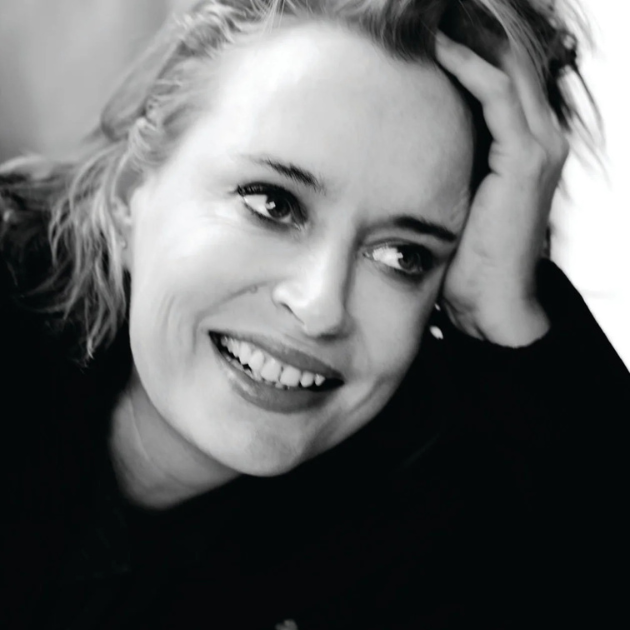
Chef and writer Vanja van der Leeden
EF: So, how did you end up in the culinary world?
Vanja: The long way round. I’ve been cooking since I was a kid, but it took me until I was 33 to really figure out who I was. I did a language degree because I didn’t dare go to art school or journalism school. Then I ended up in banking, which was awful. But since secondary school, I’d been working in hospitality, waiting tables. After burning out from all the work I hated, I went back to hospitality, but this time in the kitchen. I also wrote about food, which was perfect: using my head to write and my hands to cook. Being in the kitchen is just such a timeless, absorbing thing. You’re completely in the moment, nothing else matters. You’re in a flow, creating. So I’m self-taught—I never did any formal training, I just started cooking.
EF: Where do you get your inspiration? Say you’re at a market with the most beautiful seasonal produce, and next to it there’s a supermarket with every ingredient imaginable. Where do you even start when you’re planning a three-course menu?
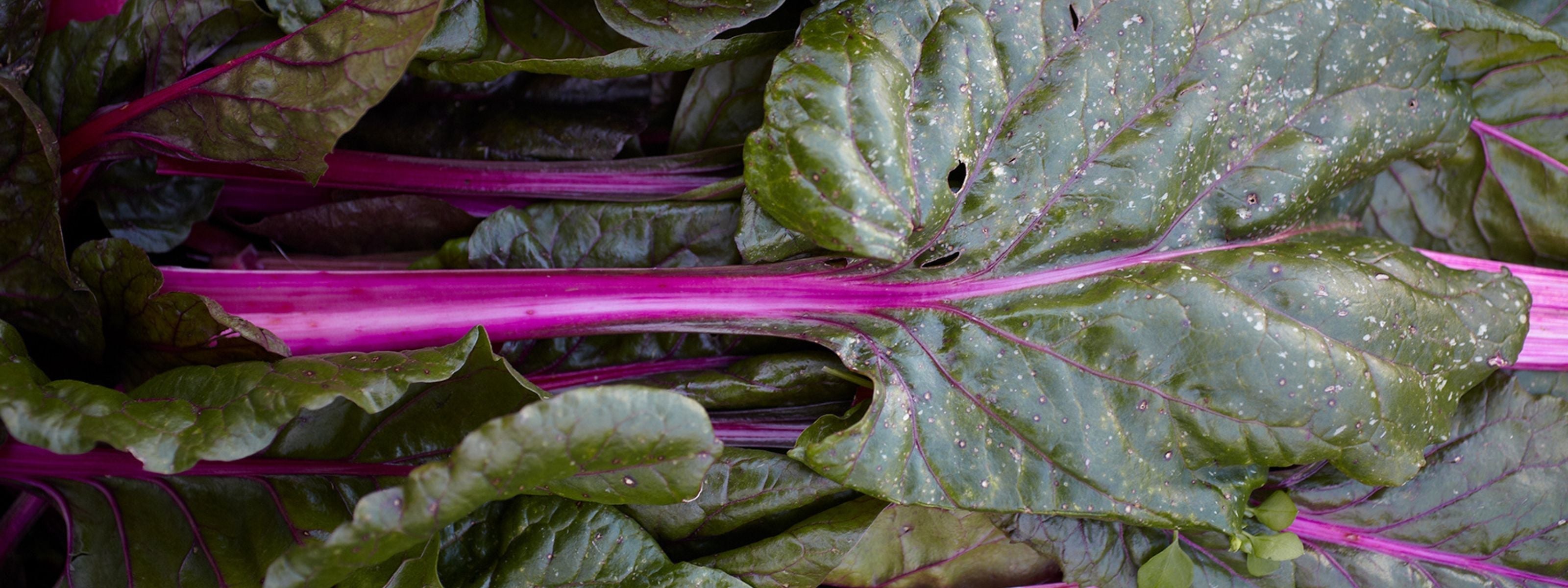
Vanja: For me, it always starts with the product, and usually the vegetables before the meat counter. Vegetables are seasonal, and they pull me into a story. Herbs do too. But I can also get inspired by something like a band, for instance Nusantara Beat, an Indonesian group from Amsterdam that blends gamelan with funk. I’ll think, "This is the feeling I want in my dishes: something that reminds you of the past but is still very now." Like Gusteau in Ratatouille: you’re taken back to your grandma’s kitchen, but you’re still here, in the present. I love it when food can tell a story.

Reshaping the conversation around Dutch‑Indonesian cuisine
"My take? Loosen the reins. Trust your gut.”
EF: Which culinary tradition do you feel most at home in? And how did you learn to break away from it to find your own voice?
Vanja: Honestly, none. I’m not traditional, I actually question traditions. The cuisines I probably feel most at home in are Indonesian and Italian. But I try to make them my own by really diving deep into them. You start to see that all cuisines, all recipes, are just snapshots in time, shaped by other cultures. There’s no cuisine that hasn’t been influenced by another. That means you can add or leave out things, as long as you understand the basics. So I might use a French technique on an Indonesian dish, for example.
EF: Beccy de Vries, a friend of the Faas family, wrote a book on Jewish cuisine and quoted someone who thought recipes and rules were nonsense: "You cook with your neshama, not with recipes." So, cooking with your soul, not rules. As a self-taught chef, did you start cooking with your soul right away, or did you follow recipes first?
Vanja: Always with my soul. I’ve got this primal instinct for cooking. Of course I’ve got better over the years, but it’s always come from feeling, never from rules. That said, it’s still good to know the rules, to understand a food culture. When you’re young, you think you know everything, only to realise you don’t. That quote, "You cook with your soul”, I love it. There’s this Italian chef, Fulvio Pierangelini, who refuses to write down recipes. He says, "It changes every time with what’s available, with the spirit of the times, with what you’re in the mood for." Improvisations become traditions, and traditions change. My take? Loosen the reins. Trust your gut. But you do need a solid foundation to be able to do that, and you get that by just giving it a go.

The award‑winning author is known for her groundbreaking cookbook Indorock
EF: Cooking’s full of rules, just like makeup. Think of Italy: no Parmesan on seafood pasta, no cream in carbonara, not to mention Pizza Hawaii or cappuccino after 11 AM.
Vanja: Up to a point, yes. But in Sicily, they do pair cheese with fish. And cream in carbonara? Carbonara’s actually been all over the place historically. In the 80s, everyone was chucking cream in everything. That was just the trend. People forget there’s a whole history before that. All those rules make sense from a certain perspective. But if you dig deeper, you see it used to be different. And tomorrow it can be different again.
EF: You write cookbooks too. Are your recipes more like suggestions then? And how can someone who doesn’t spend hours in the kitchen learn to trust their instincts instead of measuring every gram and minute?
Vanja: By tasting a lot, constantly adjusting, and really cooking with your senses. A recipe isn’t just about chucking everything in a pan and calling it done. It’s a guideline: you’ve got to look, smell, listen, taste. When I cook with people and say, "This is ready now," I’ll ask, "Did you taste it?" And they’ll say, "No." So I’ll ask, "How do you know it’s good then?"
EF: And your pepper might be sharper from mine. Or the tomatoes you use may be sweeter.
Vanja: Exactly. It depends on the pan, the heat source, the ingredients.
"Being in the moment is the best thing you can do as a person.”

Her work blends heritage, flavour and storytelling into a new culinary language
EF: It’s like makeup in the sense that your skin’s different from mine, so a colour works differently. And it also depends on how much of a certain product you use.
Vanja: Yes, but the tricky bit is that people want things ready-made, no effort. They say, "I can’t cook." But if you’re not interested and not willing to engage, there’s not much I can do for you. You’ve got to put your own feeling into it. That’s what makes it fun and personal.
EF: What’s the biggest lesson cooking has taught you about life?
Vanja: Being in the moment and trusting your intuition. People might find it annoying to put in the effort, but the reward is that you eventually develop this intuition that never really lets you down. I’m still nervous and worried things will go wrong. Even now, if I’m cooking for a big group, I get really anxious. That doesn’t go away. But it always works out. I think that’s universal for anything that has to do with creating something: you’ve got both the fear and the trust that it’ll be okay. Being in the moment is the best thing you can do as a person. It’s bloody hard, and there are a million books on mindfulness and all that, but you can just do it through cooking.
EF: So indeed: “Le maquillage, c'est comme faire la cuisine” !
For more about Vanja: vanja.nl and @vanjavanderleeden
All images by Remko Kraaijeveld